-
Your shopping cart is empty!


Your shopping cart is empty!
If your hair becomes frizzy or puffy after washing, review the whole wash-to-dry routine before adding more oil or a heavier cream. Conditioning, handling, drying and the way styling products are layered can all affect the finished look.
The most useful first step is to notice when the change happens: after rinsing, during drying or after the hair is fully dry. That gives you a specific part of the routine to examine.
Are the ends rough while the top looks smooth? Are curls losing their grouped shape? Does the hair feel coated as well as puffy? These observations lead to different adjustments.
Natural volume is not automatically a problem to remove. Decide whether you want a smoother surface, more defined curls or simply an easier styling process. A useful routine should suit your preferred look instead of treating every loose strand as a failure.
If the change followed a color or smoothing service, include that detail when you speak with your stylist.
Be gentle when drying and detangling. The American Academy of Dermatology advises against rough towel rubbing and recommends limiting excessive heat. Those practical changes can be part of a better routine without adding another bottle.
Choose handling that fits your texture. A brush-through that suits one straight style may disrupt a curly finish. If you are uncertain, ask your stylist to demonstrate the steps on your own hair rather than relying on a routine filmed on a different texture.
Observe one wash with the focus on handling alone. Keep the products consistent so you can tell whether the method made a difference.
If the lengths need an extra conditioning step after rinsing, Double Kick Moisture Leave In is a leave-in option to consider within the Flexi Care range.

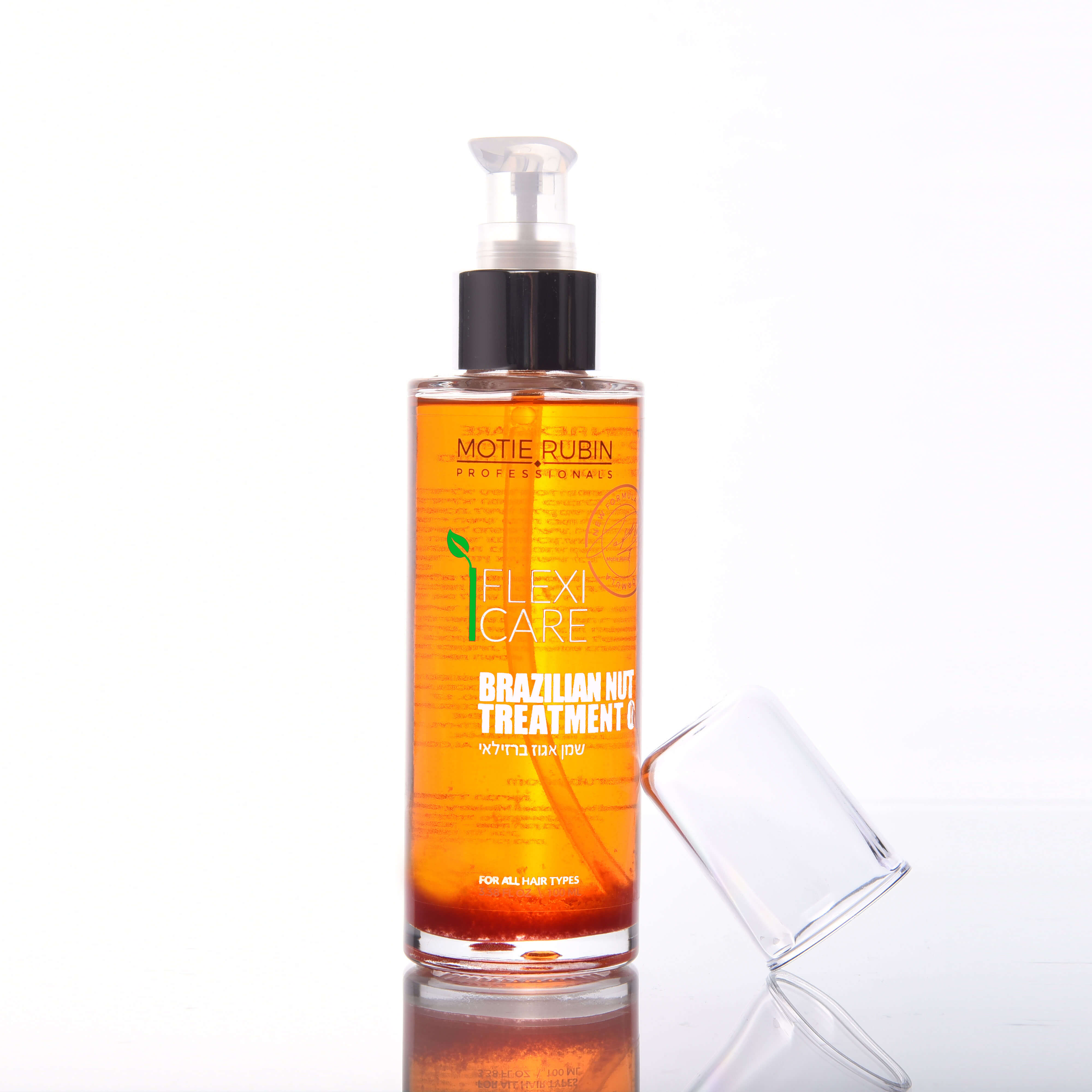
If your routine calls for an oil treatment on the lengths and ends, Brazilian Nut Oil Treatment has directions for a small amount on clean, towel-dried hair.
These are different choices, not compulsory layers. If you already use several leave-on products, review their combined effect before adding another. A heavier finish is not necessarily a smoother finish.
Use a simple wash-day note with four entries: products, amounts, drying method and result. Next time, change one item.
For example, you might keep the same shampoo and conditioner while using less styling product. At another wash, you might keep the product amounts consistent and change how you distribute them.
Compare the hair when fully dry in similar lighting. If you judge it halfway through drying one day and after styling the next, you are not making a useful comparison.
This approach also makes a salon conversation more productive. You can show which adjustments you tried instead of presenting a collection of products with no record of how they were used.
If the hair feels coated, it may be time to simplify the styling steps. If it feels unusually fragile, arrange a professional assessment rather than adding another chemical service in pursuit of smoothness.
If the main concern is curl definition, focus your routine on styling your natural texture. If it is the rough feel of dry ends, focus on the conditioning process. The same word, “frizz,” can hide different priorities.
No. Review the application area and existing layers first. Oil is one possible step, not a universal response to every change in texture.
Appearance alone is not a diagnosis. Consider your natural texture, styling method and recent changes, and seek an assessment if the hair is also breaking or behaving unusually.
Only rely on a product for heat protection when its packaging explicitly gives that function and directions.
Choose the part of the routine where you notice the problem beginning, then make one manageable adjustment. Keep the rest consistent while you compare.
Explore a separate conditioning step: View Double Kick Moisture Leave In and assess whether it fills a real gap in your routine.